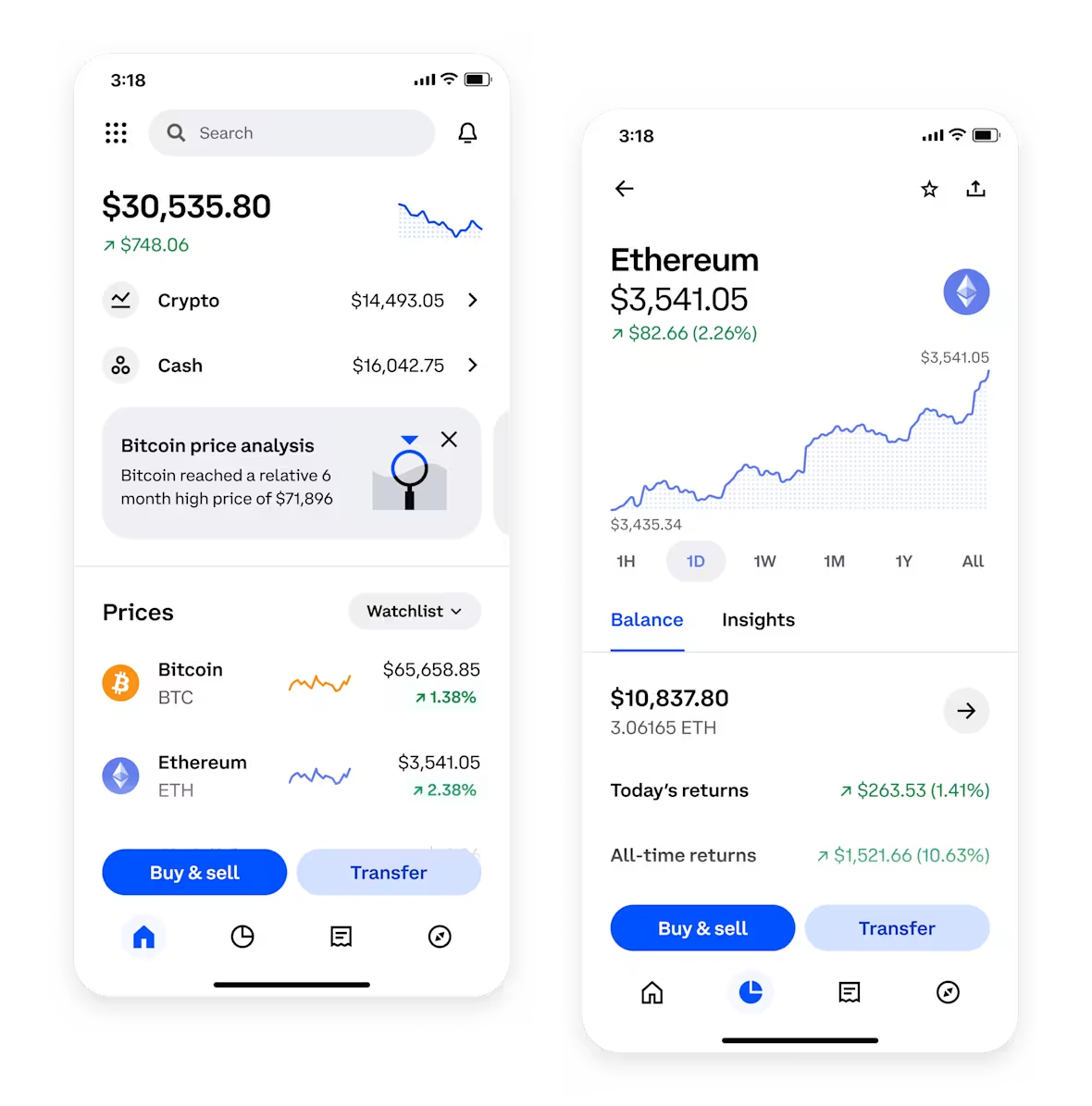
Anbi Exchange, based in Hong Kong, has become a popular platform for trading digital assets, offering services to both new and experienced crypto users. This article provides a clear, step-by-step guide on how to operate the Hong Kong Anbi exchange, covering essential actions from registration to executing your first trade. Following these instructions will help you navigate the platform efficiently and securely.
1. Account Registration and Verification
Start by visiting the official Anbi Exchange website or downloading its mobile application for iOS or Android. Click the "Sign Up" button and enter your email address or mobile phone number. Create a strong password that includes a mix of letters, numbers, and symbols. After registration, you must complete identity verification (KYC) to comply with Hong Kong’s regulatory standards. Prepare a valid government-issued ID (passport or Hong Kong identity card) and a clear photo of your face. Follow the prompts to upload documents and submit your information. Verification typically takes a few hours to one business day. Once approved, your account becomes fully functional.
2. Depositing Funds
After verification, you can deposit funds into your Anbi wallet. Log in to your account and navigate to the "Assets" or "Wallet" section. Choose the cryptocurrency you want to deposit (e.g., Bitcoin, Ethereum, or USDT). Click "Deposit" and copy the wallet address provided by the exchange. Open your external wallet or another exchange, paste the address, and confirm the transfer. For fiat currency deposits (if supported), select "Fiat Deposit," choose your local currency (HKD, USD), and follow the bank transfer or credit card instructions. Ensure you note any minimum deposit amounts and network fees to avoid delays.
3. Spot Trading on Anbi
Anbi Exchange primarily offers spot trading pairs. To begin, go to the "Trade" or "Markets" section. Search for your desired trading pair, such as BTC/USDT. The interface displays a real-time candlestick chart, order book, and recent trades. To buy, enter the amount you wish to purchase (or choose a percentage of your balance) and set an order type: Market Order (executes immediately at the current price) or Limit Order (sets a specific price for execution). Click "Buy" to confirm. For selling, select the opposite side and follow the same logic. Review your order history in the "Open Orders" tab to track pending or completed transactions.
4. Security Best Practices
Operating on Hong Kong’s Anbi Exchange requires attention to security. Always enable Two-Factor Authentication (2FA) via Google Authenticator or SMS in your account settings. Withdraw funds only to trusted wallets, and double-check addresses before confirming transactions. Avoid clicking on unsolicited links claiming to be from Anbi support. For large amounts, consider using cold storage wallets instead of keeping assets on the exchange. Also, monitor the official Anbi announcements for any updates on maintenance or policy changes.
5. Withdrawing Cryptocurrency or Fiat
To exit your position, go to "Assets" and select "Withdraw." Choose the cryptocurrency or fiat currency you want to withdraw. Enter the recipient wallet address (for crypto) or bank account details (for fiat). Specify the amount and confirm your identity via email or 2FA. Withdrawals usually process within 30 minutes to 24 hours, depending on network congestion and internal review. Be aware of withdrawal fees displayed on screen before finalizing.
6. Common Issues and Support
If you encounter problems like delayed deposits, failed trades, or login difficulties, contact Anbi’s customer support through the live chat feature on the website or their official Telegram group. Keep your transaction IDs (TXID) handy for faster resolution. Also, read the platform’s FAQ section for self-help on topics like API integration and margin trading.
By following these steps, you can confidently operate Hong Kong’s Anbi Exchange for seamless crypto trading. Start with small amounts to test the interface, and gradually increase your activity as you become more comfortable. Remember that all trading involves risk, so only invest what you can afford to lose.